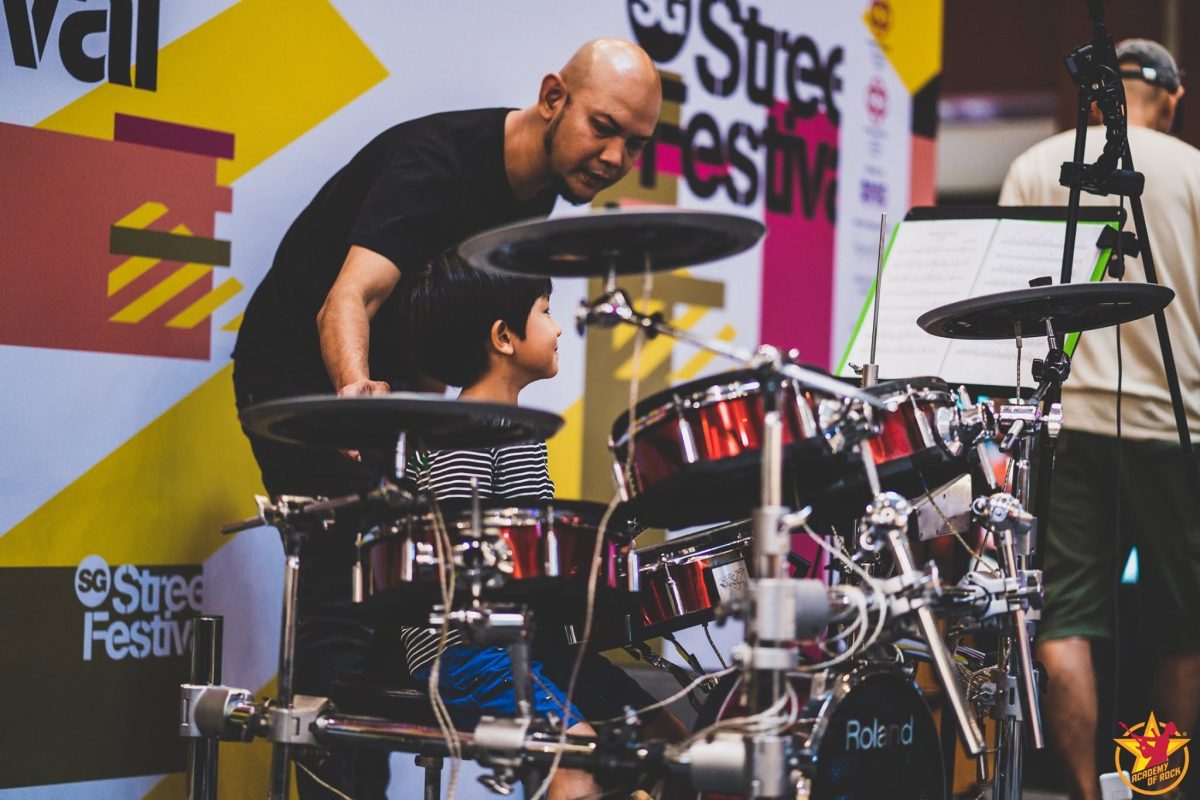
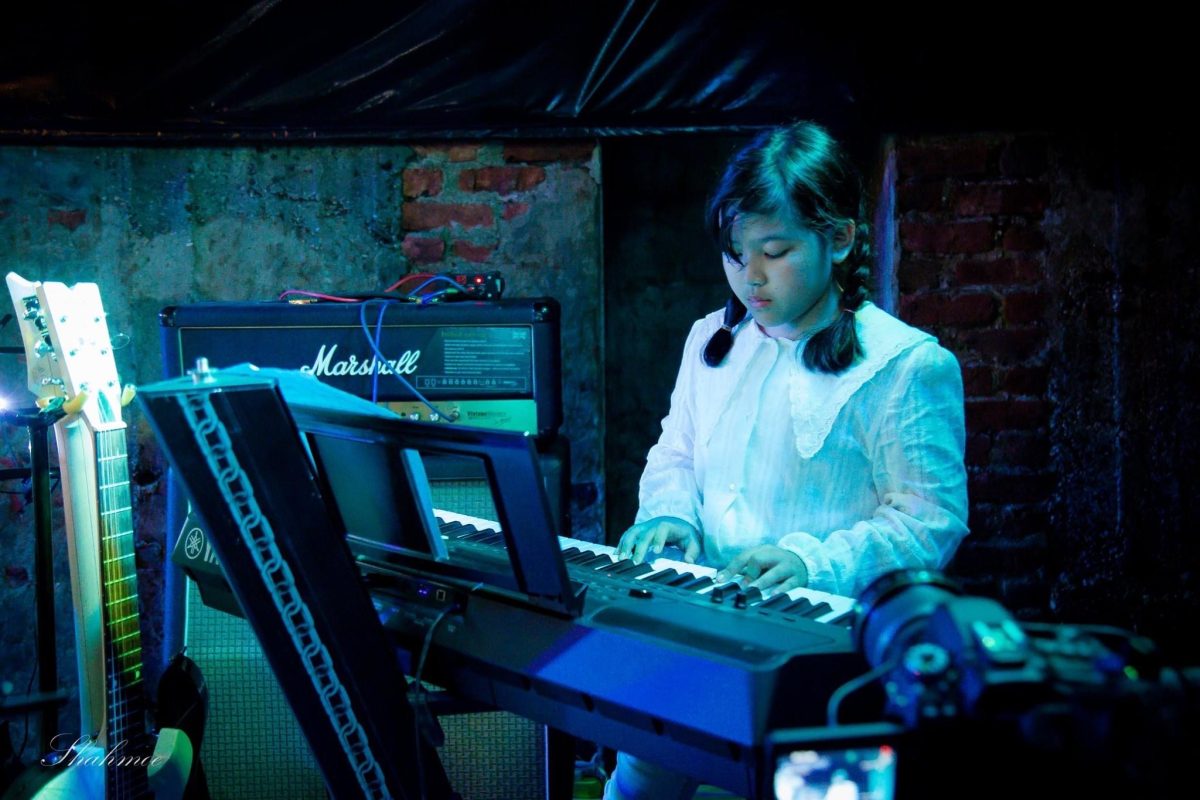
Choosing a first instrument is less about finding one instrument that is universally “best” and more about finding a starting point that suits the child. Their interest, readiness, attention, practice routine and response to the teacher all matter.
Ukulele can be a practical option for children who are curious about songs, chords and rhythm. At Academy of Rock in Siglap, complete beginners can start Ukulele lessons from age four, while teenagers and adults can also begin from the foundations. The best next step is still to consider the individual learner rather than relying on age alone.
What can a beginner learn on the Ukulele?
A beginner does not need previous musical experience. AOR’s published Ukulele pathway begins with practical foundations such as:
- the basic parts of the Ukulele;
- chord exercises;
- sight reading;
- simple strumming patterns;
- rhythm; and
- slides, hammer-ons and hammer-offs.
As the learner progresses, the pathway develops into fingerstyle, wider strumming techniques, different styles and genres, changing time signatures and improvisation.
This gives a child several ways to engage with music. Some may enjoy keeping a steady rhythm, while others may respond more strongly to chord changes, melody, technique or creative exploration.
Is age four the right time to start?
AOR accepts complete Ukulele beginners from age four, but that does not mean every four-year-old will be ready in exactly the same way.
Parents can consider whether the child can:
- follow short instructions;
- stay engaged with a simple activity;
- communicate when something feels uncomfortable or confusing;
- handle a short, regular practice routine with support; and
- show interest in making music rather than only owning an instrument.
Readiness can also become clearer during a first lesson. A teacher can observe how the child responds and recommend a suitable starting approach without promising a fixed outcome or pace.
Does a child need to own a Ukulele before starting?
Not necessarily. AOR provides Ukuleles and the required learning materials during lessons.
That allows a beginner to experience the instrument before a family decides what to buy for home practice. If the child continues, ask the teacher what size and setup may suit the learner instead of purchasing from a generic checklist alone.
Private, small-group or workshop lessons?
AOR currently presents three Ukulele learning formats. The right choice depends on how the child learns, the family’s schedule and current availability.
Private lessons
Private 1-to-1 lessons provide individual attention and flexible pacing. They may suit learners who benefit from a lesson being adjusted closely to their current confidence, technique and goals.
Regular small groups
A regular small group can suit compatible learners who enjoy learning alongside others. Placement should not be assumed: group suitability and current availability need to be confirmed.
Ten-session beginner workshop
The beginner workshop is a fixed programme of ten weekly 60-minute sessions. It offers a structured introduction in a shared setting. The next intake and place availability must be confirmed rather than promised.
Current formats and fees are maintained on the Ukulele lessons in Singapore page so this guide does not duplicate details that may change.
How much practice should a beginner do?
Consistency is usually more useful than turning practice into a long struggle. A realistic routine should fit the child’s attention span, current lesson goals and the teacher’s guidance.
Parents can help by making practice easy to begin, noticing effort and asking the child what they remember from the lesson. Avoid promising that a certain number of minutes will produce a particular result. Progress depends on the learner’s starting point, lesson continuity, practice and goals.
Does a child need to take exams or perform?
No. A student can learn for enjoyment or follow a graded direction. Examinations and performance opportunities may be available, but they are not automatic outcomes and should be discussed according to the learner’s preparation, level, goals and current opportunities.
The first decision does not need to be about an examination or performance. It can simply be whether the child enjoys learning and is ready to continue.
What happens before regular enrolment?
A paid Trial is one lesson. Payment is required before the Trial is confirmed, and selecting a preferred time does not reserve it. The front desk confirms the suitable lesson from current availability.
The Trial can help the family understand how the child responds to the instrument, the teacher and the lesson setting. It does not guarantee a permanent teacher, recurring slot, group placement or enrolment outcome.
A short parent checklist
Before choosing a lesson format, consider:
- Is the child interested in the sound of the Ukulele and in learning songs or musical patterns?
- Would individual attention or learning alongside compatible students suit them better?
- Can the family support a simple home-practice routine?
- Does the child need to try the instrument before the family purchases one?
- Is the immediate goal enjoyment, musical foundations, a graded pathway or a future performance opportunity?
These questions help the front desk and teacher recommend a sensible starting option without assuming that every learner needs the same pathway.
Explore Ukulele lessons at AOR
Academy of Rock offers Ukulele lessons at its Siglap school for children from age four, teenagers and adults. Beginners can start from the foundations, with private lessons, regular small groups and a beginner workshop among the current options.
Explore the Ukulele lesson programme and paid-Trial route, or ask the AOR front desk about a suitable starting option.
Frequently asked questions
Can a four-year-old start Ukulele lessons?
AOR accepts complete beginners from age four. Individual readiness still matters, so the front desk and teacher should help assess a suitable starting approach.
Does my child need a Ukulele for the first lesson?
AOR provides Ukuleles and required learning materials during lessons. Ask the teacher for guidance before buying an instrument for home practice.
Are private lessons better than group lessons?
Neither format is automatically better. Private lessons offer individual pacing, while a compatible small group provides a shared learning setting. Suitability and availability should be confirmed.
How quickly will my child progress?
There is no guaranteed timetable. Progress depends on the learner’s starting point, lesson continuity, practice and goals.